
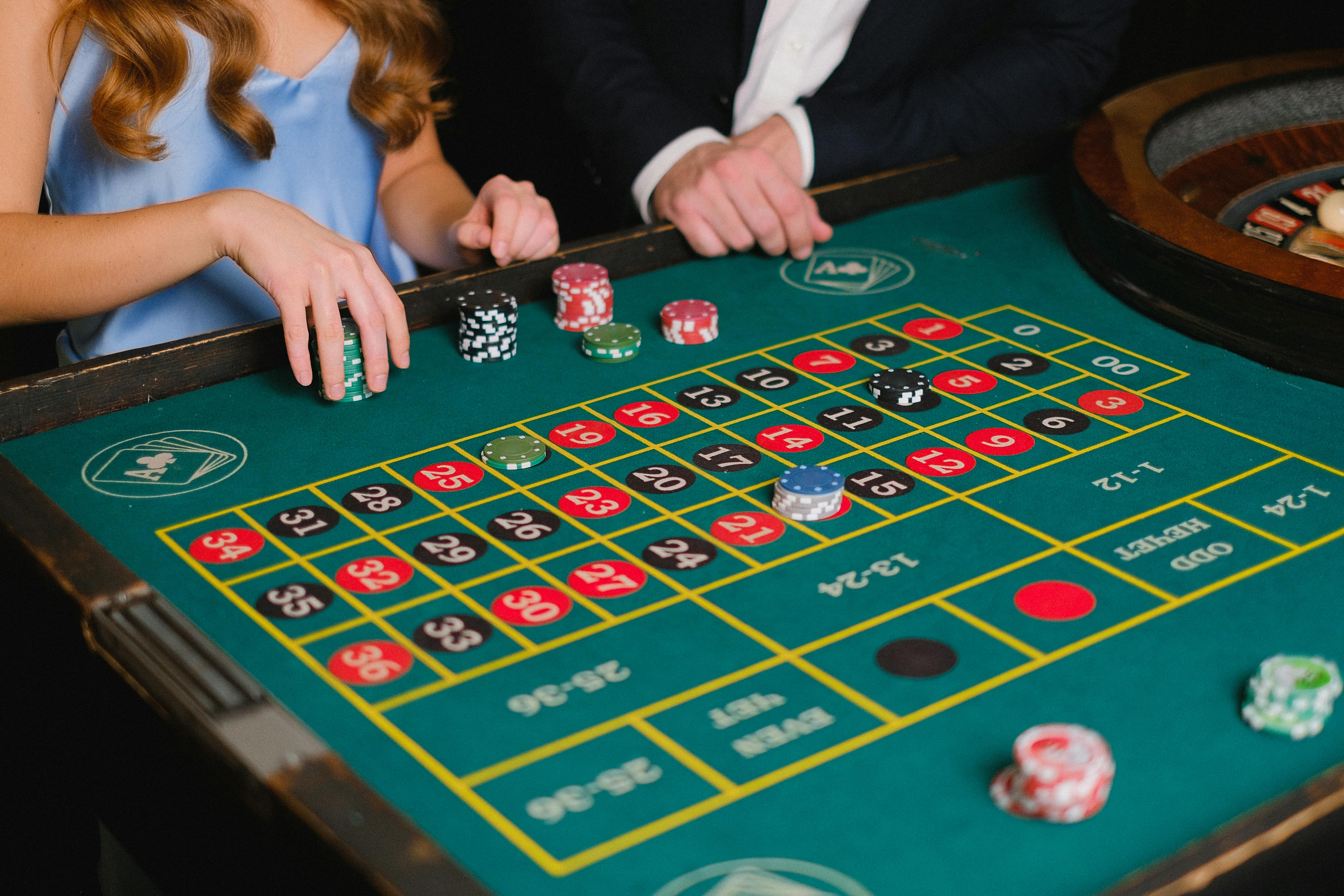
My first casino experience
A casino can look deceptively simple from the outside. There are bright game tiles, tempting welcome offers, odds that appear to move quickly, and a cashier section that seems like something to deal with later. That was roughly my first impression. I thought I would register, choose a slot, make a small bet and somehow naturally understand the rest. It did not quite happen that neatly.
Before I deposited anything, I spent time reading the rules instead. It was less exciting than looking at jackpot graphics, admittedly, but it saved me from a few bad assumptions. One page I checked carefully was https://casinos-wonaco.org/terms-and-conditions, mostly because I wanted to understand bonus limits, identity checks and withdrawal conditions before money was involved. I had a cup of tea beside my laptop and a small notebook open, which felt overly serious at the time. Later, I was glad I had done it.
This is the beginner guide I wish I had read before my first casino session. It is not a promise of winning, because gambling does not work like that. It is more about slowing down, knowing what buttons actually matter, and treating a first bet as entertainment rather than a financial plan.
Starting with the basics, not the excitement
The first rule I learned is that casino games are built around a house edge. In plain language, the casino has a mathematical advantage over time. A player can certainly win a round, a session or even a string of sessions, but that does not change the long-term structure. I found this slightly disappointing for about five minutes, then strangely useful. It made me stop searching for a magic system.
Each game has its own pace and its own level of decision-making. Slots are quick and simple to start, though the results are random and can be volatile. Roulette looks familiar to many beginners, but different versions have different house edges. Blackjack involves decisions and can be played with a basic strategy chart, although it still carries risk. Sports betting is another category entirely, because odds reflect probabilities rather than a spinning reel.
A useful beginner mindset is this: the money placed into a casino account should already be considered entertainment spending. I found that idea much easier to follow when I set the amount before opening a game, rather than deciding after a loss.
I also had to get comfortable with the phrase RTP, or return to player. It is often displayed in game information. A 96% RTP does not mean a player gets £96 back from every £100 during one evening. It is a very long-term theoretical calculation across huge numbers of spins. That distinction matters, and it took me a while to stop reading RTP like a guarantee.
| Game type | What I noticed first | Beginner caution |
|---|---|---|
| Slots | Easy controls and fast rounds | Small bets can add up quickly |
| Roulette | Clear layout, many betting choices | Check the wheel version before betting |
| Blackjack | More decisions than expected | Learn basic rules before raising stakes |
| Sports betting | Odds looked simple but were not | Avoid betting just because an event is familiar |
Registration is part of the game
Creating an account felt like an administrative interruption when I first did it. I wanted to get to the games. Still, account setup is one of those unglamorous steps that deserves attention. I used my real name, correct address and the same details that appeared on my payment method. This may sound obvious, but inconsistencies can delay verification later, exactly when a player wants to withdraw.
A legitimate online casino may request proof of identity, age and address. That process is generally known as KYC, or Know Your Customer. I prefer completing verification early, before any big emotional moment arrives. Waiting until after a win can make the process feel more stressful than it needs to be.
Settings I changed immediately
The first thing I looked for was responsible gambling controls. Deposit limits, session reminders, cooling-off options and self-exclusion tools are not signs that somebody expects to lose control. They are simply practical boundaries. I set a deposit limit that matched my entertainment budget and enabled a reminder. Seeing a small notification after an hour was mildly annoying, if I am honest, but it helped me notice time passing.
I also checked whether promotional emails and push notifications could be reduced. Constant messages about “last chance” offers can make a casual session feel urgent. Gambling should not feel urgent. If it does, I think that is a reasonable time to close the site and come back another day, or not at all.
Bankroll steps that made sense to me
My earliest mistake was treating the amount in my casino balance as though it were one large bet waiting to happen. A £30 deposit did not seem like much, so I moved from tiny spins to larger ones without really thinking. Ten minutes later, I had spent more than I meant to. There was no dramatic loss, no big story. It simply disappeared faster than I expected.
A bankroll is the amount set aside for gambling, and it should be separate from rent, food, bills, savings and anything important. I now decide on a session amount in advance and divide it mentally into smaller portions. I do not have to use every portion. In fact, leaving money untouched feels better than trying to force a final round.

| Session budget example | How I would use it | Why it helps |
|---|---|---|
| £20 entertainment budget | Set a firm maximum deposit of £20 | Prevents adding money impulsively |
| £1 game stake | Keep it stable for a short session | Makes results easier to follow |
| Half the budget spent | Pause and reassess, not automatically continue | Interrupts emotional momentum |
| Any unexpected win | Consider withdrawing part of it | Reduces the temptation to give it all back |
The most useful rule I gave myself was not to chase losses. It is easy to think a losing streak has somehow created a debt that the next bet should repair. It has not. Random outcomes do not owe a player a correction. Once I accepted that, stopping became less frustrating. I could say, “That was my entertainment spend for today,” and leave it there.
Choosing early games without getting lost
The lobby of an online casino can be overwhelming. Hundreds of slots are arranged around themes, jackpots, providers, tournaments and animated banners. My first instinct was to choose the loudest-looking game. That is not necessarily wrong, but it is not a strategy either.
I started using demo mode when it was available. Demo play cannot show the emotional effect of betting real money, but it can show how paylines work, how often features trigger, whether the pace feels too fast and where the settings are hidden. One slot I tried had a bonus screen I liked, yet the rapid autoplay-style rhythm made me uncomfortable. I skipped it after that. A game does not have to be bad for me to decide it is not for me.
Volatility was the term I almost ignored
Volatility describes, broadly, how a game may distribute wins. Lower-volatility games may offer smaller wins more often, while higher-volatility games can go for long stretches with little happening and then produce larger results. Neither is automatically better. For a first experience, I preferred slower stakes and games whose information screens I could understand. High volatility can make a small bankroll vanish before a beginner has even learned the controls.
With table games, I learned the rules before placing money on the felt. European roulette has one zero, while American roulette generally has a zero and double zero, changing the house edge. In blackjack, dealer rules, deck count and payout terms can vary. Reading one short rules panel was more valuable than making several rushed bets.
The bonus reality check I needed
Bonuses were the part I misunderstood most. “Deposit £20 and receive £20 extra” sounded like free spendable cash. Usually, it is not that simple. A bonus may come with wagering requirements, a maximum bet size, game contribution rules, deadlines and caps on withdrawals. None of this makes a bonus automatically bad. It just means the headline is only the beginning.
I once accepted a small offer because it looked generous, then realised that my preferred game contributed very little to the wagering requirement. I could have completed it, perhaps, but I did not enjoy the idea of playing games I had not chosen just to unlock money. Since then, I read the offer first and sometimes decline it. That felt like a surprisingly grown-up casino decision.
| Bonus detail | What it means in practice | My beginner response |
|---|---|---|
| Wagering requirement | A bonus often must be wagered before withdrawal | Calculate whether it suits my budget |
| Maximum bet rule | Large bets may breach bonus terms | Keep stakes within the stated limit |
| Game contribution | Some games count less toward wagering | Check my game before opting in |
| Expiry date | The offer may end after a short time | Never rush just to meet a deadline |
First-time betting habits worth keeping
For my first real-money session, I picked one game and stayed with a low stake. That was not thrilling in the way a large bet might be, but it gave me time to observe my own reactions. I noticed that wins made me want to play faster and losses made me want to “fix” the result. Both feelings can lead to careless betting.
A short pause helped more than I expected. I stopped after a few rounds, looked at my remaining balance and asked whether I was still enjoying myself. If the answer was no, I logged out. There is no prize for sitting through a session that has turned irritating. In fact, irritation is probably one of the clearest signs to stop.
Avoiding the common mental traps
The gambler’s fallacy caught me early. After several red results on roulette, I felt black was “due.” It was not due. Each spin was independent. Likewise, a slot that had not paid a feature for a while was not building up an obligation to reward me. Casino games can create stories in the mind very easily, especially when money is attached to the story.
I also avoid playing when tired, upset, bored or drinking alcohol. That sounds cautious, perhaps excessively so, but my worst decisions in ordinary spending usually happen when I am distracted. A casino balance is not immune to that. I prefer to gamble only when I can pay attention and accept the possibility that the money may be gone.
Payments, withdrawals and the patience problem
Depositing is usually faster than withdrawing, and that imbalance surprised me at first. A withdrawal can involve pending periods, verification checks, payment-provider processing times and minimum withdrawal rules. It is worth checking these details before depositing, not only after a win appears on the screen.
I try to use a payment method I understand and keep records of deposits and withdrawals. It does not need to become a complicated spreadsheet, although it could. Even a simple note in my phone helps me see the full picture. My first few sessions felt inexpensive individually, but seeing the total over a month was a useful reality check.
When I make a withdrawal, I resist cancelling it to continue playing. The option can be tempting during a waiting period. For me, a pending withdrawal is a signal that the session is over. I close the casino tab and do something unconnected to gambling. It sounds very ordinary, because it is, but ordinary habits are often the ones that stick.
FAQ
How much should I deposit on my first casino visit?
Only an amount that fits comfortably within a pre-planned entertainment budget. I would not use money needed for bills, debt payments, savings or essential purchases. A smaller first deposit can teach more than a large one because it encourages attention rather than excitement.
Are casino bonuses always worth claiming?
No. A bonus can be useful for some players, but only if the terms suit the games and limits they are comfortable with. I now treat bonuses as optional. If I cannot explain the wagering requirement and restrictions to myself in a sentence or two, I leave the offer alone.
Can I improve my chances by changing my bet after losses?
Changing stake size does not alter the underlying odds of an independent casino game. Raising bets to recover losses can make a bankroll disappear more quickly. I found fixed, modest stakes much easier to manage, especially while I was still learning.
What should I do if gambling stops feeling entertaining?
Stop playing, take a break and use the platform’s responsible gambling tools if needed. If gambling begins affecting finances, relationships, work, sleep or mood, seeking support from a specialist gambling support service is a sensible next step. My own rule is simple: if I feel pressured to continue, I step away. The casino will still be there tomorrow, and I do not need to be.
